
Case Study
Analogous Inspiration
Elevating design as a practice requires more than just mastery of craft—it demands the ability to build bridges between different perspectives about what makes design "good." By connecting design principles to patterns we can all observe and appreciate in the world around us, I help teams and partners develop shared understanding about ideals of quality and performance. This approach transforms abstract discussions about design quality into concrete, relatable insights that inspire collaboration and drive meaningful outcomes.
Great design appears deceptively simple, masking the complex decisions and deep craft knowledge required to achieve excellence.
Complication
Abstract discussions about design quality can lead to talking past each other, making it difficult to build consensus on common goals.
Resolution
Drawing parallels between design principles and less abstract ideas we can objectively agree upon builds shared understanding.
Outcome
This method helps bridge perspectives, fostering meaningful dialogue about design excellence and building support for elevated craft.
This case study is about communication—being clear, compelling, and persuasive. Specifically, a technique I've often used to define common ground between design, engineering, and business. While my portfolio typically focuses on retrospectives, this collection of analogies demonstrates the effective use of metaphors to elevate design in both theory and practice. Part diplomacy, part philosophy, it's rhetoric that works by finding common ground through shared observations of virtues in everyday things that require no expertise to appreciate. It's a way to inspire excellence, strengthen partnerships, and unlock more potential for collaborative problem-solving.
Sections:

AI audio overview (15 minutes)
Listen to a deep dive on this case study from Google's NotebookLM
Purpose
Communicating About Design
I've often found that some of the most challenging aspects of design leadership aren't technical or organizational - they're conceptual. How do you help others understand design thinking? How do you build appreciation for design's role in business? How do you inspire teams to persevere through adversity and elevate their craft?
I believe in the power of a good analogy to bridge the gap between abstract concepts and practical understanding. Agreeing on what constitutes "good" design should be simple, yet it often isn't. Design virtues like perspective, discernment, and authenticity can feel subjective, leading to differing interpretations that hinder collaboration and delay progress.
By connecting these virtues to patterns we can observe in the world around us—in nature, arts, sports, and history—we establish common ground.
This approach shifts focus from subjective disagreements toward shared principles that transcend individual biases, creating a foundation for collaboration and a shared vision of excellence.
To demonstrate this technique, I've selected ten essential design virtues and paired each with an analogy that makes its value concrete and relatable. From a house built over a waterfall teaching us about constraints, to Beethoven showing us what mastery can lead to, each comparison illuminates a different aspect of design excellence.
What follows is more than a collection of metaphors—it's an approach I've used countless times for coaching, influencing, and building consensus around aspirational ideas. While metrics can track outcomes and artifacts can showcase solutions, the ability to articulate abstract principles in accessible, compelling ways is equally vital to transformational leadership. These pieces reflect my approach to making the high ideals of design maturity tangible and actionable through the power of shared observation.
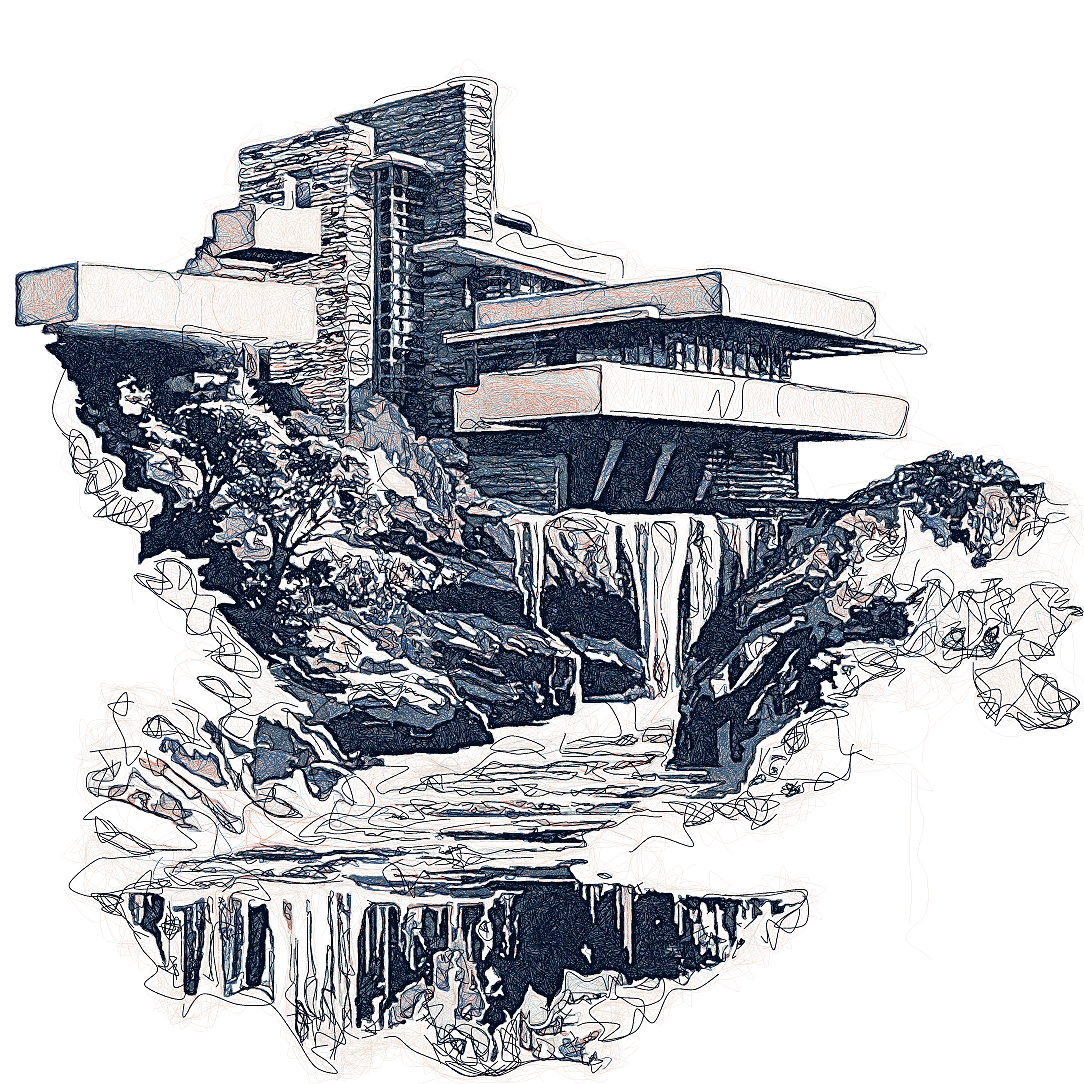
Before Wright's intervention, the site was just another wooded slope with a stream—one of countless similar spots in Pennsylvania. But Wright studied its constraints so thoroughly that he could reimagine them as opportunities, creating something that enhanced both the setting's natural beauty and its habitable utility.
In digital design, this principle of resourceful transformation guides our practice. We rarely have the luxury of perfect conditions for our creative vision. Instead, we face technical limitations, legacy systems, established behaviors, and business constraints. Our job isn't to fight these realities or wish them away—it's to understand them well enough to unlock their hidden potential. This kind of discernment helps us find opportunities in unexpected places.
True innovation comes not from ignoring constraints, but from understanding them so well that they become advantages.
When we approach design with this mindset, we make more thoughtful choices about how to enhance what exists. Our solutions might not last as long as a house built over a waterfall, but they can transform ordinary digital experiences into something remarkable by working in harmony with their context rather than against it.

Designers, like baseball players, excel by honing a broad, flexible skill set. A ballplayer must do more than field grounders or catch fly balls—they must read pitches, track signals, know when to bunt, when to swing hard, and where to direct a throw. Likewise, designers must adapt fluidly, whether clarifying user needs, shaping product strategy, or refining a visual language.
In baseball, quick judgments define every play. Anticipating a runner’s move, choosing who to throw to, backing up a teammate—all demand alertness and strategic thinking. In design, it’s the same: balancing research insights with evolving project goals, supporting developers, guiding product decisions, and responding in real-time as situations change.
Just as a stolen base or a slide under a tag reflects agility and competitiveness, the designer’s ability to shift perspective, embrace constraints, and find innovative solutions reveals a similar versatility. Both disciplines reward those who can read the field, react instantly, and deliver under pressure.

This seamless adaptation means creating interfaces that don't just exist within the user's world, but respond to their context and needs.
When users need to focus on a complex task, the design pulls back to clean, uncluttered aesthetics that support concentration. During exploration or discovery, it shifts to bold visuals that drive engagement and pique curiosity. The design's adaptability extends beyond visuals to encompass everything from interaction patterns to information density, each element adjusting to match the user's current mode and goals.
Just as a chameleon's changes appear effortless and natural, truly responsive design adjusts its tone, visual language, and interaction patterns to match each user's unique journey minus any obstacles or complications.
Success comes not from standing out, but from creating an environment so well-tuned to the user's needs that it feels like a natural extension of their workflow.
The result is an experience that feels less like using a product and more like working within an environment that anticipates and meets your needs at every step.
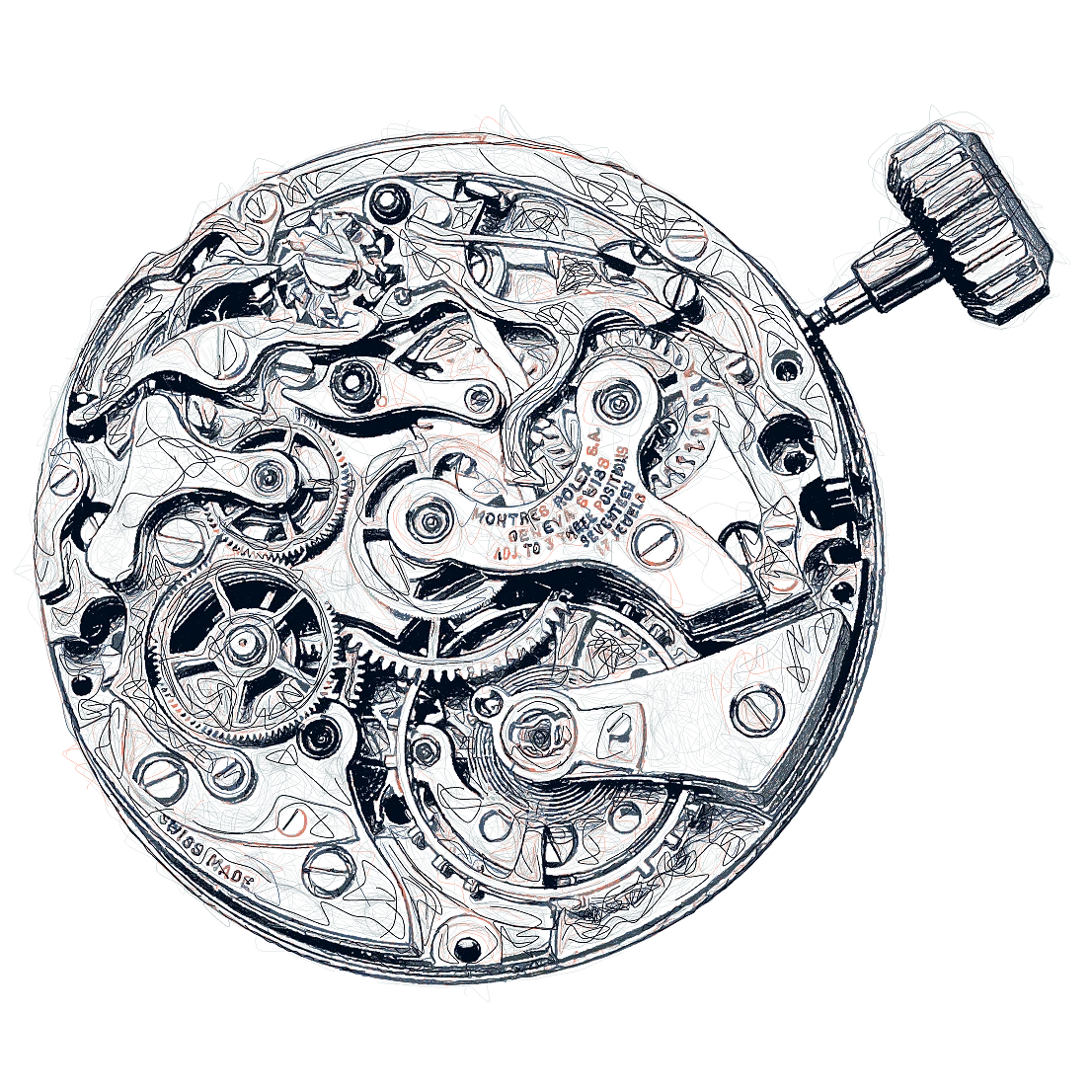
Simply admiring a beautifully designed interface tells us nothing about how it works. To create thoughtful solutions that work with engineering rather than around it, we must study the underlying systems and ask questions that deepen our understanding.
On its face, a mechanical watch appears simple and intuitive—a glance at the dial tells the time—but beneath lies a sophisticated assembly of gears, levers, and springs, each meticulously engineered to control the release of energy in precise increments. To the untrained eye, the mechanism might seem impenetrably complex, but on closer examination, with just a rudimentary grasp of simple machines, its fundamental principles become clear. The real marvel lies in the patience and craftsmanship necessary to shrink such complex systems to the size of a coin.
Whether examining a watch movement, a generative AI model, or a fluid CSS animation, designers who understand the machinery behind their tools design with greater confidence and creativity. This technical curiosity not only expands our knowledge but sharpens our ability to ask better questions—questions that push the boundaries of what's possible. By engaging with the complexity beneath polished surfaces, we move beyond applying superficial treatments to creating truly integrated solutions.
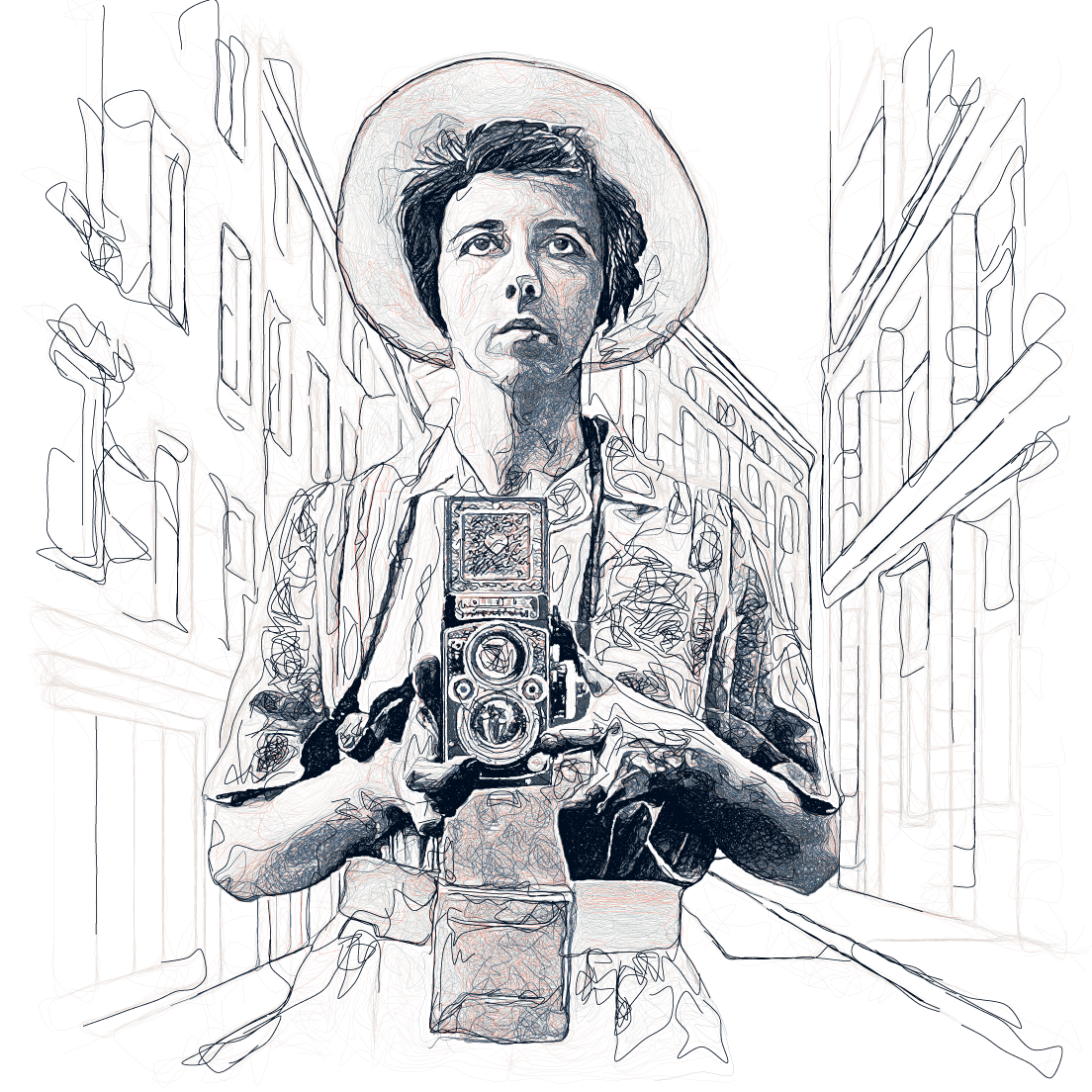
Maier lived a modest life in total obscurity. Fame didn’t define her; her work did. She saw the world through the lens of her camera, not through the lens of commerce or fashion.
Her photographs, intimate and profound, reveal a singular vision unshaped by external expectations. She indulged her passion without distraction, creating a body of work that continues to inspire, long after her passing. Notoriety, with its complications and compromises, might have detracted from her ability to see and capture the world so uniquely.
Designers, too, can learn from Maier’s example. The pursuit of acclaim often distorts focus, whereas a commitment to craft allows the work to speak for itself. By seeking to create meaningful, enduring work rather than chasing recognition, designers can embrace a quieter, more impactful greatness—one that, like Maier’s, might resonate far beyond their own time.
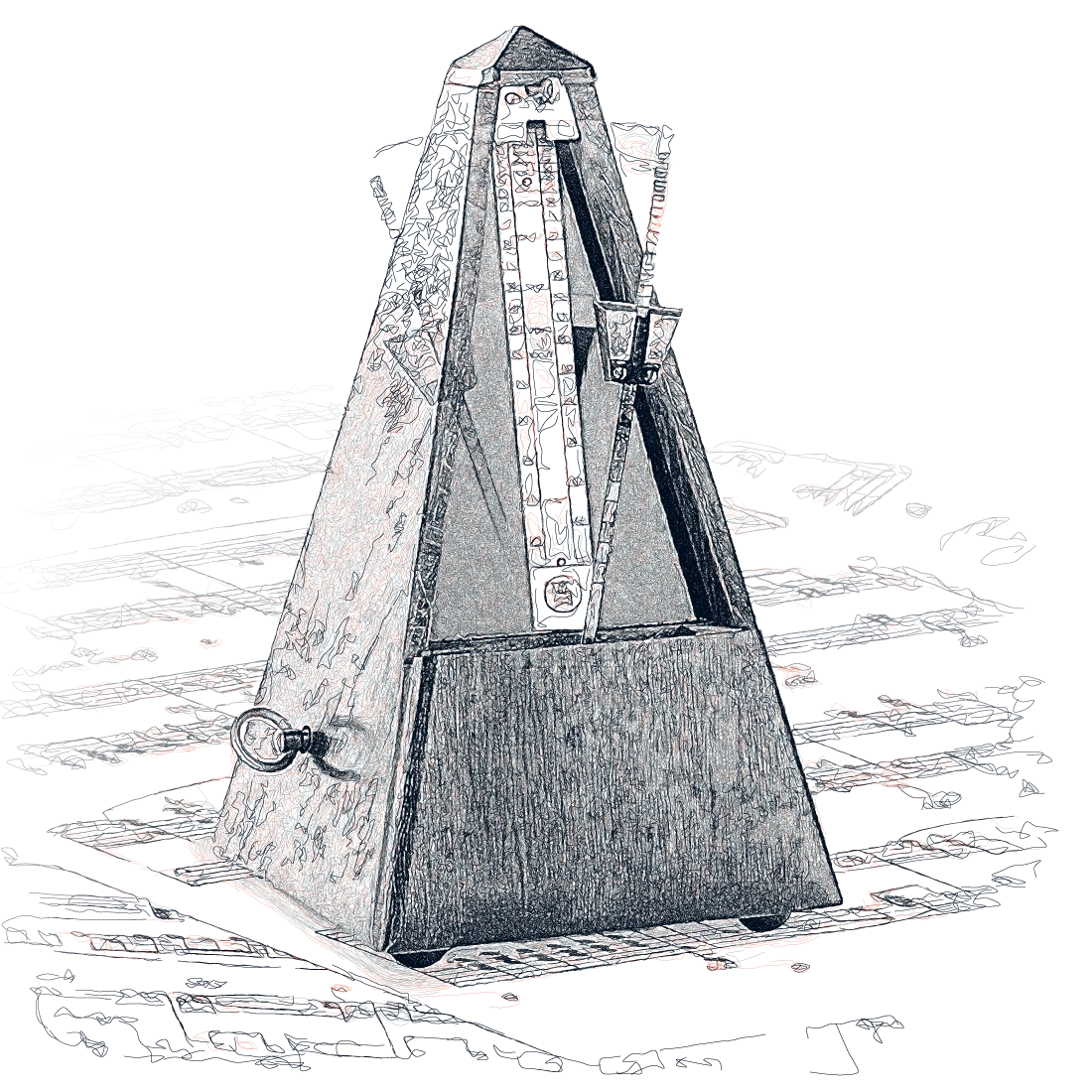
In design, this pulse is the regulated consistency of the elements in an interface that form the components and patterns a user perceives. Like a musical cadence, these elements need careful alignment to convey a cohesive and memorable experience.
A strong brand is like a catchy tune; it lingers because of its rhythmic and recognizable patterns.
Introduce arbitrary inconsistencies, and that tune becomes disjointed, easy to forget. A design system serves as the metronome, ensuring that every element resonates in harmony across the brand’s digital portfolio. By establishing a consistent visual language, the design system creates a unifying cadence, guiding users through experiences that feel intuitive and reinforcing the brand’s identity with every interaction.
This regulated consistency is not just aesthetic—it deepens user engagement. Just as a musician uses a metronome to master timing, designers use a design system to craft experiences that are precise and cohesive, fostering a stronger connection between the user and the brand.
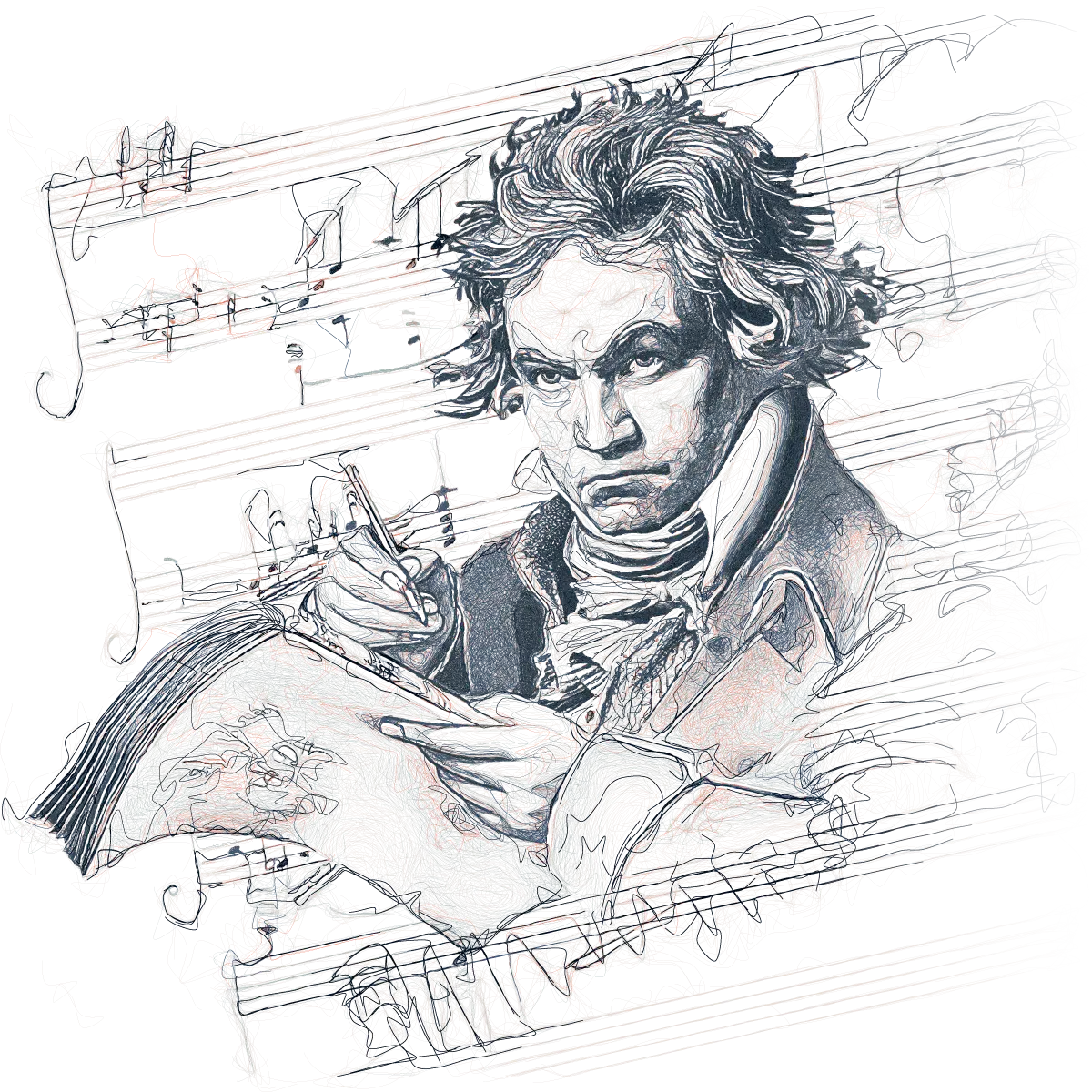
To design effectively in the digital space—a medium as dynamic and multifaceted as any in history—we must strive to understand its many dimensions, from the technical to the experiential, so we can leverage, shape, and improve it.
Beethoven's achievement with his Ninth Symphony was extraordinary: orchestrating an hour-long musical journey involving dozens of instruments with unique timbres and ranges, rising and falling in harmony, without the ability to hear how the composition played out. His process lacked the iterative feedback most of us rely on; every note, every phrase existed only in his mind. And yet, the result is a masterpiece that has resonated across centuries.
As designers, we are used to testing out bad ideas to discover the good ones, iterating and refining through trial and error. Beethoven's work reminds us that it is humanly possible to know your medium so well that you can imagine, craft, and execute ideas with extraordinary precision—even without direct sensory input.
While none of us need aspire to Beethoven's level of proficiency, his example challenges us to deepen our understanding of the digital medium. The more we learn about its nuances, the more effectively we can wield it to create experiences that resonate. Master your medium—not to achieve perfection, but to unlock its full potential in your work.

Being curious about such watershed moments—wondering how pioneers imagined and built the future—gives us insight into where the next big leaps might happen.
Engelbart's remarkable showcase introduced concepts like the mouse, hypertext, and real-time collaborative computing—tools and techniques that have become cornerstones of our digital lives. But more than just inventing new tools, he and his team demonstrated a vision of what digital interaction could become, connecting dots that others hadn't yet seen.
For designers, this curiosity about our digital heritage is invaluable. Exploring these foundational ideas reveals not just how today's interfaces evolved, but why—the problems these innovations originally sought to solve, and the vision that drove them forward.
This connection to the past sharpens our ability to think forward. Understanding where we've been helps us spot where the gaps and opportunities lie, guiding our own efforts to imagine and shape what comes next. The visionaries of yesterday left us breadcrumbs; it's our job to follow their trail of innovation and extend it into the future.

When we dare to explore unconventional ideas, we gain fresh perspective on why certain design patterns endure—and where they might evolve.
Treating creativity like a well-behaved guest makes it a dull companion. Instead, we should view our creative impulses as a muscle that needs regular exercise, even if that means producing work that raises eyebrows. These experimental forays might not always yield practical solutions, but they sharpen our ability to recognize genuine opportunities for innovation.
The goal isn't to break conventions for the sake of being different. Rather, it's about maintaining the creative courage to question them intelligently. By occasionally letting our inner weirdo run free—in sketchbooks, prototypes, or personal projects—we develop the insight and confidence to push boundaries in ways that matter. This is how we move from accepting design conventions to understanding them, and ultimately, to expanding them.
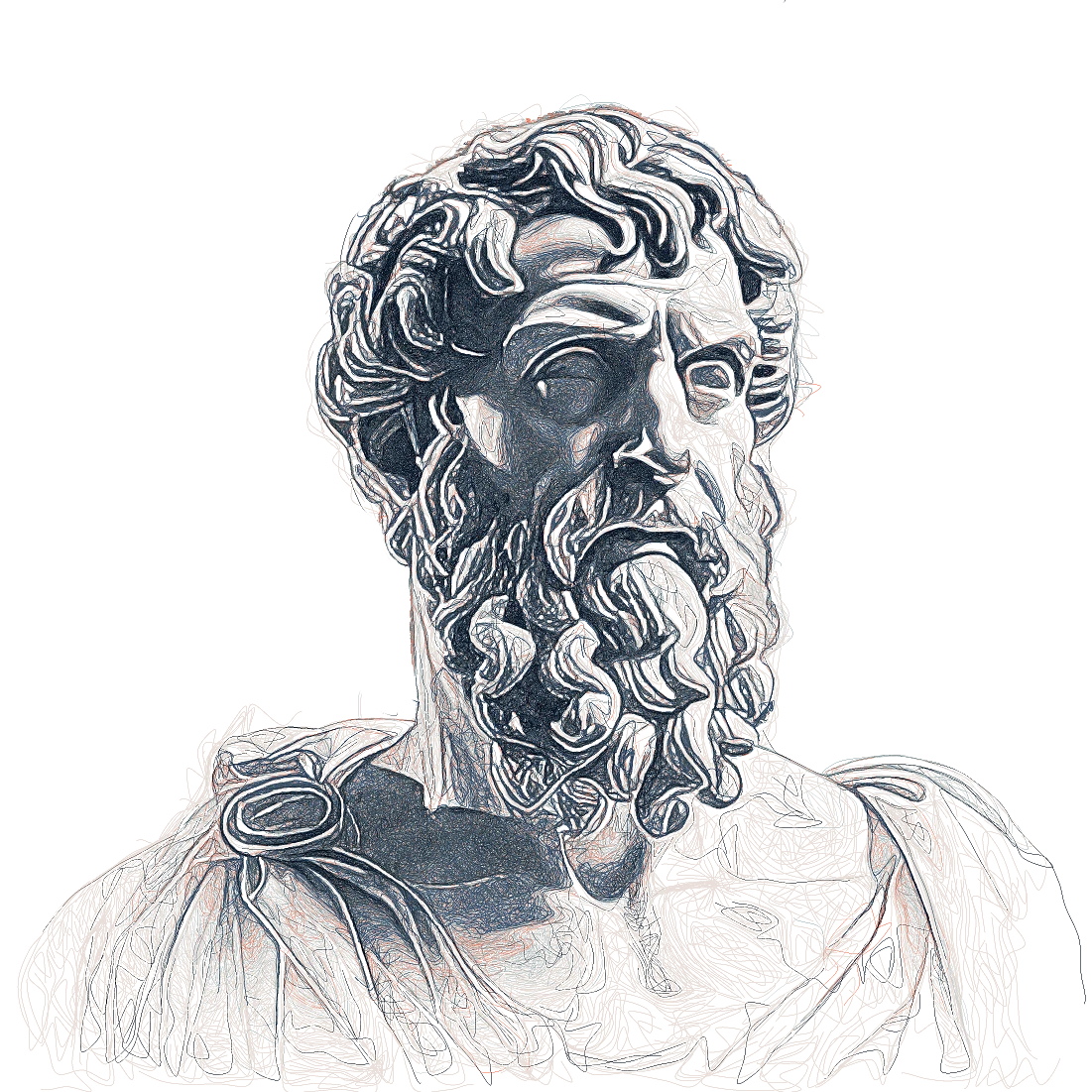
For designers, stepping outside this metaphorical cave means not just refining what’s familiar, but exploring uncharted territory. By challenging assumptions and seeking fresh perspectives, we move from comfortable repetition to meaningful invention. It’s the difference between following known patterns and discovering new forms of value.
Leaving the cave demands risk-taking: looking beyond what feels certain and pushing toward new insights, methods, and possibilities.
Risk-taking can feel intimidating, but refusing to leave the cave confines us to what’s already been done. By venturing into unknown spaces, we sharpen our ability to see connections that others miss. This process may not always yield easy results, yet it lays the groundwork for impactful progress—progress that redefines what we thought possible.
Drawing parallels between design excellence and observable patterns in the world around us does more than just bridge communication gaps—it transforms abstract discussions into shared insights that drive action. These ten virtues and their analogies demonstrate how familiar reference points can elevate conversations about design quality from subjective debate to meaningful dialogue. Whether coaching teams or partnering with stakeholders, this approach helps build the mutual understanding and shared vision needed to pursue design excellence together.
More case studies
Short case studies in design leadership demonstrating the range of impacts I have had over more than two decades in the field.
A knowledge engine for the AI era—how I transformed theoretical frameworks into a knowledge engine for strategic growth.
From silos to synergy—how I unified 50+ product teams under a shared experience vision that drove loyalty and growth.
A framework for matching talent to impact, where aligning temperament with tasks drives confidence and performance.
A case of community impact at scale—follow how I architected a digital strategy for economic mobility in Charlotte.

Rockturn is a knowledgebase for digital product design. Find your next wave.
search suggestions
Dive right in!